
Gerald - Cash Advance
Gerald Technologies, Inc.Finance
4.44.24K Reviews
- Version
- 69.0.13
- Installs
- 500.00K
- Age Rating
- Everyone
Screenshots
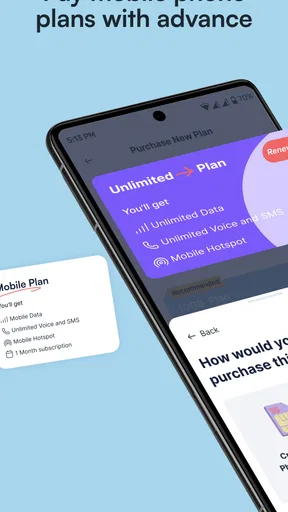
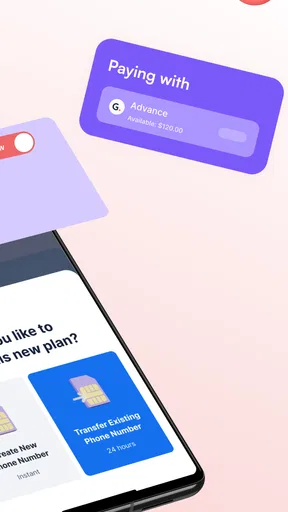
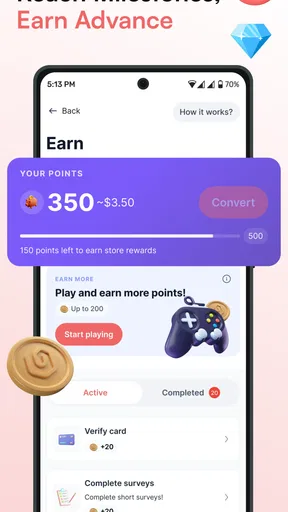
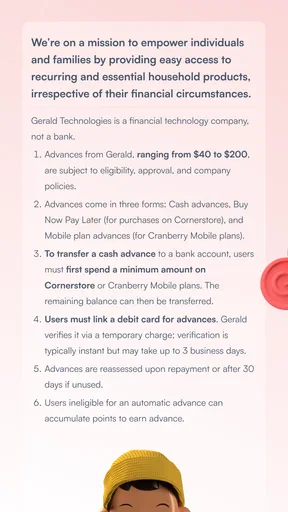
Our Review of Gerald - Cash Advance
 Analysis by Appyee
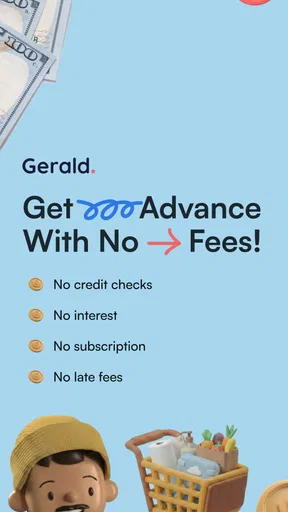
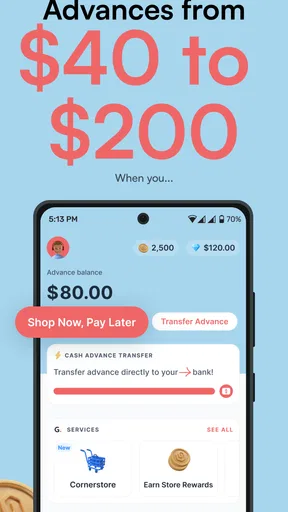
I tend to judge finance apps by what happens in an ordinary, slightly stressful moment rather than by how polished the store description sounds. With Gerald - Cash Advance, I looked at it as a practical option for a short cash gap: the kind of situation where a household bill, transport cost, or small urgent purchase arrives before payday. It is a free finance app from Gerald Technologies, Inc., and its central appeal is straightforward: access to a cash advance without a credit check or interest.
That simplicity is useful, but it also means I would not treat the app as a complete money-management system. It is aimed at a narrow job, and the best experience comes from keeping that job separate from shared household budgeting. In my view, Gerald can be helpful when one person needs a temporary bridge, while it becomes less suitable when several people expect to use one account, coordinate expenses, or maintain a detailed family financial plan.
How Gerald fits into real household situations
A realistic example is a shared apartment where one person handles groceries and another covers the internet bill. If the grocery shopper is short before payday, a cash advance may solve that immediate problem without putting the expense on a credit card. The important point is that the advance belongs to the person using the account, even if the money is ultimately spent on something everyone in the home uses.
I found that distinction more important than it may first appear. A household can discuss why the money is needed, but the app should not be treated as a communal wallet simply because the purchase benefits everyone. Before using it, I would agree on who is responsible for repayment or for managing the next pay cycle. That small conversation prevents a common problem: one person assumes the advance is a shared solution while another assumes it is personal borrowing.
The app’s no-interest positioning makes it easier to understand than a traditional credit card balance, but it should not be confused with free money. An advance still affects the user’s future cash flow. If the next paycheck is already committed to rent, utilities, or food, taking money early can move the pressure rather than remove it. I would use Gerald for a clearly defined shortfall, not as a way to make an unaffordable monthly budget appear balanced.
For a single user, that decision may be simple. In a household, it needs boundaries. I would avoid logging into the account on a partner’s phone, leaving the account open on a shared tablet, or treating a family device as proof that everyone has permission to inspect or use the account. The phone may be shared; the financial identity behind the account should remain personal.
What the first setup tells you
Gerald is available at no cost and is rated for Everyone, but those two facts should not be interpreted as a recommendation for children to manage advances. A general content rating describes the nature of the app, not whether a young person has the income, legal standing, or financial judgment to use a borrowing product responsibly. In a family setting, I would keep the account with the adult whose name, income, and repayment responsibility are involved.
During setup, I would pay close attention to whose phone number, email address, and financial details are being used. The safest arrangement is one account for one responsible adult, with that person controlling sign-in and reviewing every screen before accepting anything. I would not create an account for a spouse, roommate, or older teenager using my own contact details just to make the process quicker. That creates confusion later, especially if a notification or repayment issue needs to be handled.
Shared devices create another layer of friction. If a household tablet is used for banking, I would sign out after each session and avoid saving credentials in the browser or password manager that other people can open. I would also disable notification previews if the device is visible in a common room. Gerald is a finance tool, so even a harmless-looking alert can reveal that someone is checking an account or has received financial information.
This is one of the less obvious trade-offs of a cash advance app: convenience is highest when access is quick, but privacy requires deliberate habits. A personal phone with a screen lock is a better environment than a family tablet. If the app is installed on a shared device, I would treat the device as a temporary access point rather than a shared account.
The app runs on Android versions starting with 7.0, which makes it accessible on many older phones. That is useful for households that do not replace devices frequently, though I would still keep the operating system updated where possible. On an old shared phone, security updates, screen locks, and careful sign-out behavior matter more than having the newest hardware.
Keeping the advance separate from household money
One practical workflow is to decide the purpose before opening the app. I might write down “electric bill,” “commute,” or “groceries,” then check whether the amount can be absorbed after payday. This prevents an advance from becoming vague spending money. If the purpose changes halfway through the process, I would stop and reassess instead of assuming that the original plan still works.
I would also record the advance in the same household budget used for rent and recurring bills. Gerald may solve the immediate access problem, but the rest of the household still needs to see the future effect. A simple note showing the amount, expected repayment timing, and person responsible is enough. The point is not to build a complicated spreadsheet; it is to make the obligation visible to the people planning the next few weeks.
That workflow is especially useful for couples who combine some expenses but keep personal spending separate. If the advance pays for a shared bill, both people should know about it. If it covers one person’s personal purchase, it should not quietly become a household obligation. The app can provide access to cash, but it cannot decide whether the expense is fair between housemates.
I would not use a partner’s account as a backup for my own recurring shortfalls. That arrangement can look cooperative at first, yet it makes the household budget harder to read and can damage trust if one person becomes the regular borrower. If the same gap appears every pay period, the better answer is to review income, fixed bills, timing, and available alternatives rather than repeatedly reaching for an advance.
Coordinating without handing over account control
Gerald works best when coordination happens outside the account. For example, one person can tell a partner that an advance is being considered, explain the household expense, and agree on how the next budget will change. There is no need to share a password or leave the account permanently open on another person’s device. Financial transparency and unrestricted account access are not the same thing.
For roommates, I would be even more careful. A roommate may reimburse the person who obtains the advance, but that does not make the roommate a co-owner of the account. I would settle the split before the purchase where possible, using a written message that states the amount and purpose. This is not about distrust; it is about avoiding a later disagreement over whether a household expense was actually shared.
Parents may also wonder whether the app is appropriate for a teenager who needs help with transport or school-related costs. I would keep the adult in control and handle the decision as a family budgeting conversation. The Everyone rating does not turn the app into a youth financial education product, and I would not rely on a child to understand the consequences of moving money from a future pay cycle.
Another useful habit is to review the account privately before discussing it with others. That gives the account holder a chance to understand the available choices and any obligations without pressure from a partner, friend, or family member standing nearby. If the terms or timing do not fit the budget, saying no is a valid outcome. Quick access should not create a feeling that the user must accept immediately.
Because the app has a focused purpose, I would compare it with the alternatives based on the size and predictability of the problem. A credit card may offer more flexibility for a planned purchase, but it can carry interest and encourage a balance to linger. A bank overdraft may be available automatically, yet its fees and rules can be difficult to predict. Asking an employer about an earned-wage option, using an emergency fund, or rearranging a bill may take more effort but can be healthier for a repeated cash-flow issue.
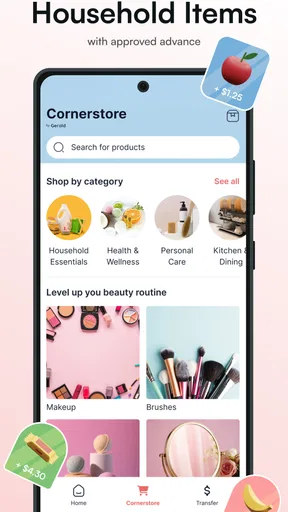
Gerald’s advantage is clarity for a short-term need: it is designed around getting cash quickly rather than managing investments, tracking every household category, or replacing a bank account. Its limitation is the same focus. Someone looking for bill reminders, shared budgets, savings goals, or a complete view of several accounts will need another tool alongside it.
Trust, privacy, and the people who should skip it
The app has earned a 4.4 average from around ten thousand ratings, with roughly 4.2 thousand written reviews, and it has passed half a million installs. Those figures suggest that many people have tried it, but popularity does not remove the need to inspect the arrangement for yourself. A cash advance is personal finance, so the right choice depends more on repayment ability and household communication than on a rating.
I would recommend it most cautiously to someone with a one-off timing problem, a clear income date, and enough room in the following budget. I would be less comfortable recommending it to someone who is already using one advance to repay another obligation, has unpredictable income, or cannot explain how the next pay period will cover normal expenses. In those cases, the app may provide relief today while increasing stress later.
I would also skip it if the main goal is to borrow for discretionary shopping. A sudden medical, travel, food, or utility need is easier to justify than an impulse purchase that can wait. The absence of a credit check and interest should not be used as a reason to lower the standard for deciding whether the purchase is affordable.
Privacy is another reason some households may prefer a different approach. If several people need visibility into every transaction, a shared budgeting app or joint bank arrangement may be a better fit. Gerald can be part of a household plan, but it should not be forced into the role of a family ledger. Conversely, if one adult wants a private, clearly bounded way to handle a personal shortfall, keeping the account separate may be more sensible than exposing every detail to the whole household.
I also noticed an important practical question for anyone using an older phone: does the household device remain secure enough for financial activity? The current version is 69.0.13, and the app supports Android 7.0 and later. Compatibility helps, but I would still avoid using an unprotected phone, a device with unknown users, or a handset that the family regularly passes around without separate profiles or a screen lock.
What I would check before accepting an advance
My personal checklist is short. First, I would identify the exact expense and ask whether it can wait. Second, I would look at the next pay cycle rather than only today’s balance. Third, I would decide whether the expense is personal or shared and tell the relevant household member before proceeding. Finally, I would make sure the account holder, device, and contact details all belong to the same person.
I would not assume that “no interest” means there are no conditions worth reading. I would review the app’s current screens carefully, including any information about eligibility, delivery, repayment, timing, or optional services presented during use. Financial apps can change their interfaces over time, so an older explanation from a friend may not match what appears on the phone today.
If the advance is approved but the need disappears, I would not spend it merely because it is available. Keeping the decision tied to the original purpose is a strong protection against casual borrowing. Likewise, if the amount offered is larger than necessary, I would take only what solves the problem, assuming the available choices allow that. Smaller obligations are generally easier to fit into a crowded household budget.
For couples, I would add one final check: can both people describe what happens to the next budget after the advance? If the answer is unclear, I would wait and discuss it. For roommates, I would get reimbursement terms in writing. For parents, I would keep the adult account holder responsible and explain the consequences in age-appropriate language rather than giving a child independent access.
My household verdict after using it
Gerald - Cash Advance is a focused finance app, not a replacement for a bank, a shared budgeting system, or an emergency fund. I like the straightforward purpose and the fact that the service is free to install, with a cash-advance model built around no credit check and no interest. For a responsible adult facing a short, identifiable gap, that can be genuinely useful.
My recommendation comes with firm boundaries. I would keep the account personal, avoid shared-device shortcuts, discuss household expenses before borrowing, and record the future impact in the family budget. Those habits matter because the app makes access easier, while the responsibility for fitting the advance into real life remains with the user.
The app is a reasonable option when timing is the problem and repayment is already understandable. It is not the right answer for recurring overspending, uncertain income, or a household that needs several people to manage one financial account. In those situations, a savings buffer, direct bill negotiation, employer-based option, bank product, or dedicated budgeting tool may serve the family better.
Overall, I would recommend Gerald selectively rather than universally. Its strongest use is a clearly bounded bridge, not a permanent part of the household budget. Used with privacy, honest coordination, and a realistic plan for the next pay cycle, it can help with an awkward financial moment. Used casually on a shared device or without agreement about responsibility, it can create more confusion than convenience.
Verdict
Strengths of Gerald - Cash Advance
- Simple application process with minimal paperwork required.
- Fast eligibility checks can make urgent borrowing more convenient.
- Clear repayment details help users understand their obligations.
- Useful option for covering unexpected short-term expenses.
- Digital access lets users manage requests without visiting a branch.
Limitations of Gerald - Cash Advance
- Approval and funding are not guaranteed for every applicant.
- Cash advances may include high fees or relatively costly interest.
- Repayment deadlines can be short and difficult to manage.
- Late payments may lead to additional charges or credit consequences.
- Availability and terms may vary by state, lender, or user profile.
Similar Picks in This Category
View All
Google Wallet
Google LLC4.3

Airtel: Recharge, Bank & Loans
Airtel4.0

PayPal - Pay, Send, Save
PayPal Mobile4.2

DANA Indonesia Digital Wallet
PT Espay Debit Indonesia Koe4.5

Binance: Buy Bitcoin & Crypto
Binance Inc.4.8

Cash App
Block, Inc.4.7
Frequently Asked Questions
What is Gerald - Cash Advance and how does it work?
Gerald is a financial app designed to provide eligible users with access to cash advances and other money-management features. After creating an account and completing identity verification, you may be able to request an advance based on the information Gerald reviews. The available amount, approval decision, and repayment terms can vary by user, so the app should not be treated as a guaranteed source of emergency funds.
Who can use Gerald, and what information is required to sign up?
To use Gerald, you generally need to meet its eligibility requirements, be located in a supported area, and provide accurate personal and financial information. The registration process may ask for identification details, a valid bank account, income information, and permission to connect financial accounts. Approval is not automatic, and Gerald may restrict access if verification cannot be completed or if your account does not meet its current criteria.
How much money can I receive through Gerald?
The amount available through Gerald depends on several factors, including your account history, linked bank information, income patterns, repayment behavior, and the company’s eligibility assessment. New users may receive a smaller limit, while responsible use could affect future availability. The app displays the specific amount before you confirm a request, so review the offer carefully rather than assuming you will qualify for the maximum advertised advance.
Does Gerald charge fees or interest for cash advances?
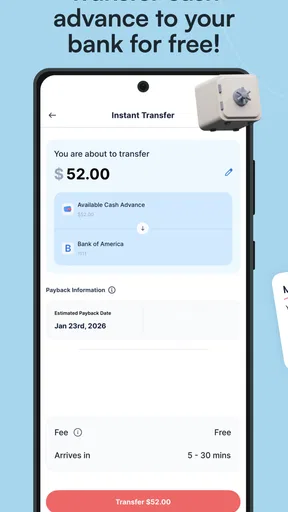
Costs can depend on the type of service you use and the delivery speed you select. Gerald may advertise fee-free advances in certain situations, while optional expedited transfers, memberships, or other features may involve charges. Before accepting an advance, read the in-app disclosure showing all applicable fees, repayment dates, and conditions. Avoid relying only on promotional wording, because pricing and available features may change over time.
When do I have to repay a Gerald cash advance, and what happens if I cannot?
Repayment is normally scheduled according to the terms shown when you request the advance, often using a linked bank account or another authorized payment method. Make sure sufficient funds are available on the due date to avoid returned payments, account restrictions, or other consequences described in the agreement. If you expect difficulty repaying, contact Gerald through its official support channels as soon as possible and review the applicable policies.
